Before Halloween, there was the cascettella: when kids in Naples would ask for a coin "pe' li muorte"
A cardboard box with a skull, a coin inside to make it rattle, and a set phrase: "Signurì, 'e muorte!" From the 1800s to the '70s, Neapolitan kids roamed the streets like this around All Souls' Day. The sources, the words, and where those coins ended up.
The Rimmofatt! editors · October 18, 2026
It's the morning of November 2nd, in a downtown alley. A bunch of kids are waiting on the corner, each holding a cardboard box shaped like a tiny coffin, with a skull and crossbones drawn on the lid and a slot on top. There's already a coin inside, on purpose, so the box makes a noise when you shake it. When someone walks by, one of them steps forward: "Signurì, 'e muorte!"
We imagined this scene, piecing it together from what the sources say. But the box was real, and it had a name: the cascettella. For many Neapolitans who grew up before the '70s, it's a childhood memory; for everyone else, it's a slice of Naples that looks a lot like a certain holiday that came later, from far away.
A box, a coin, a skull
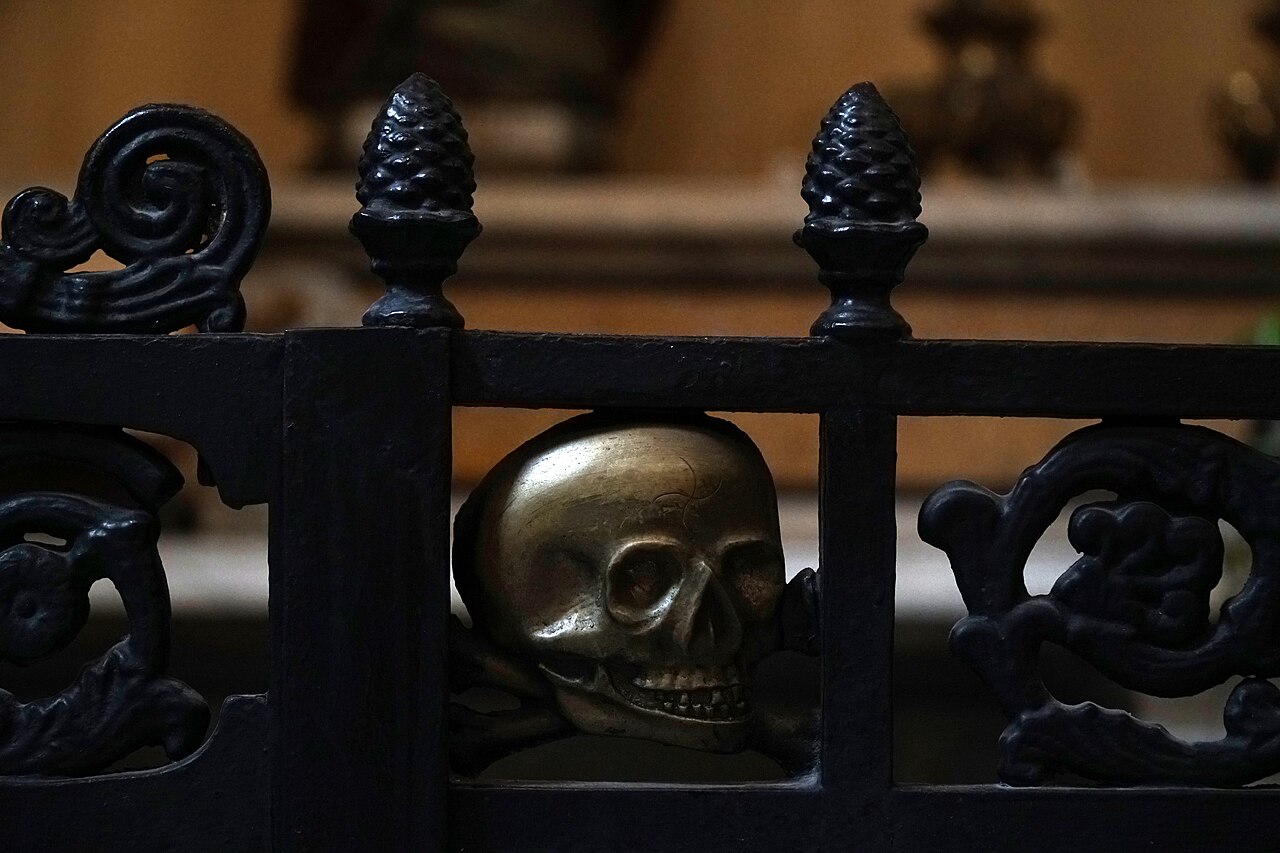
Cascettella means little box. It was made of cardboard, sometimes wood or tin, and often shaped like a miniature coffin—hence the nickname 'o tavutiello, the little coffin. On top, you'd draw a skull and crossbones, or maybe a cross. Matilde Serao, writing in Il Giorno on November 1, 1904, talks about a "cascettella crocesegnata" and a hundred thousand cardboard boxes all over the city in those days.
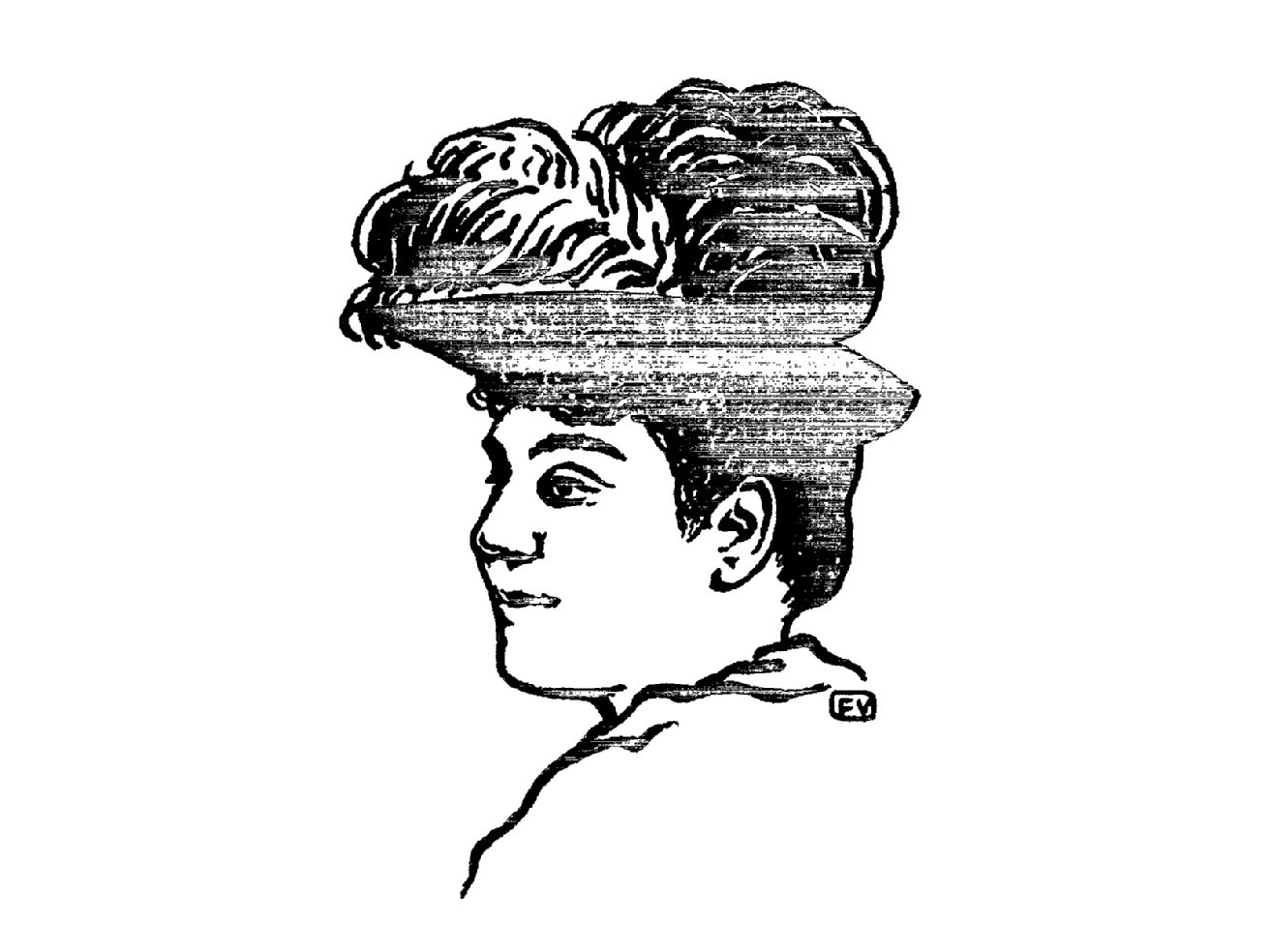
The slot was for offerings, the coin for the noise. The rest was all in the voice.
The kids' words
The phrase Serao puts in the kids' mouths is the simplest: "Signurì, 'e muorte!"—sir, for the dead. In postwar Naples, Fame di Sud recalls, kids from the working-class neighborhoods knocked on doors with their tavutiello, saying "Fate bene ai Santi morti" (do good for the holy dead). Other sources remember longer versions. One, from the postwar years, asked for an offering in rhyme:
"Famme bene, pe' li muorte: dint'a 'sta péttula che 'nce puórte? Passe e ficusecche 'nce puórte, e famme bene, pe' li muorte."
Which means: do me a kindness, for the dead; what do you have in that apron? Raisins and dried figs: do me a kindness, for the dead. In those same years, some sources say, kids would go around in costume shouting "Cicci muorti!"—and the resemblance to "trick or treat" is hard to miss.
Who told the story
The cascettella goes back before the postwar years, and the written sources follow it for well over a century.
In 1875, Domenico Iaccarino, in a book of Neapolitan verses about city trades, describes the seller of cascettelle, offering them to passersby: "Chi vò accattarese na cascettella?" So they weren't always homemade: some people sold them ready to go. Thirty years later comes Serao's article. In 1946, Eduardo De Filippo, in Filumena Marturano, has Rosalia say that, after being widowed, among the many things she sold to get by were cascettelle for the dead. The next year, Giuseppe Marotta, in L'oro di Napoli, describes kids with cardboard piggy banks asking for coins for the dead.
The last trace is a photo: a 1975 picture by Mimmo Iodice still shows cascettelle on the street. After that, the stories get rare.
Where the money went
Here, the stories split—and maybe they were all true. According to anthropologist Gianfranca Ranisio, the offerings were for the anime pezzentelle, the nameless souls Neapolitans would light a candle for; some of the money might end up at churches tied to the cult of the dead, like Santa Maria del Purgatorio ad Arco. Marotta, more down-to-earth, writes that the coins turned into pomegranates and sweets, and others remember licorice.
And on All Souls' Day in Naples, there's one treat you can't miss: the murticiello, the "torrone dei morti," a soft, chocolatey nougat shaped like a little coffin, still given as a gift on those days.
Halloween before Halloween
These days, it's easy to call it the Neapolitan Halloween, and the comparison fits: kids out and about in early November, an image of death that's more funny than scary, a little request to passersby. But the cascettella wasn't copying anything. It came from a relationship with the dead that's always been part of life in Naples—visits, prayers, and small gestures in their name. It made sense that kids, just arrived in the world, would ask for a coin for those who had left it.
How it ended
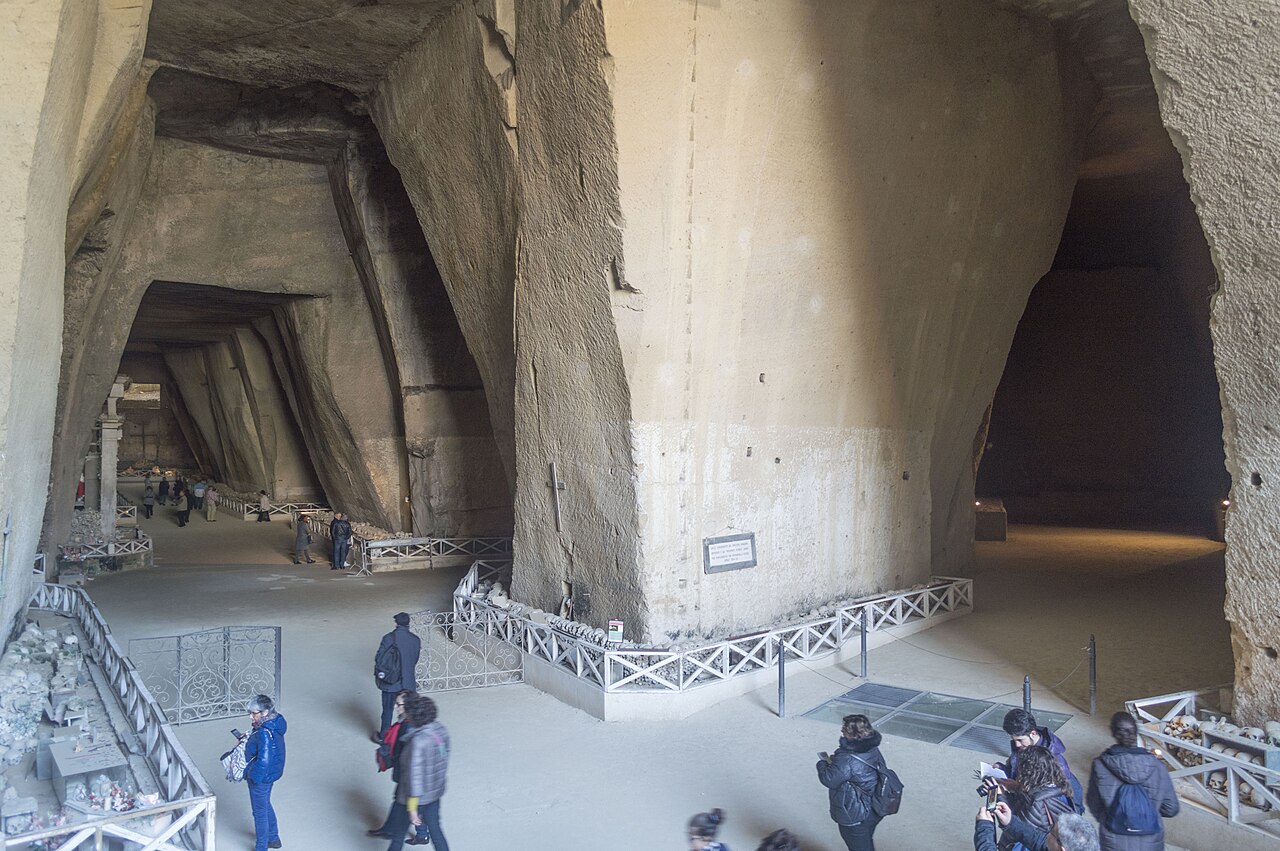
No one put an exact date on the end. The sources say it lasted until the '70s: SulSud links it to the Neapolitan Church's crackdown on the cult of the dead and, later, the arrival of Halloween. In recent years, there have been attempts to bring it back, with handmade cascettelle based on childhood memories, brought back to Piazza San Domenico Maggiore with today's kids.
But the image remains: those kids on the corner, with their rattling boxes. They asked for a coin for the dead, and without knowing it, kept the dead among the living for a few days each year.
How the Smorfia reads it
'O guaglioneThe boy
It was the kids who roamed the streets with their cascettella, stopping passersby: for a few days, the city belonged to them.
'E denareMoney
The coin inside the box to make it rattle, and the ones dropped through the slot: just a few cents, but the heart of the whole game.
L'aneme d'o priatorioThe souls in purgatory
The offerings, at least in theory, were for them: a candle for the anime pezzentelle, the nameless souls Naples has always looked after.
'O muortoThe dead man
The skull drawn on the cardboard and the little coffin: the dead joined in the kids' game without scaring anyone.
'A festaThe feast
In Naples, the Days of the Dead had a festive side too: kids out on the streets, sweets everywhere, and nougat shaped like tiny coffins.
Where it comes from
Sources and further reading5 sources · 4 news outlets
SulSud — "A poem from 1875: cascettelle, how Neapolitan kids honored the dead in Naples"sulsud.it · 2 sources
More true stories
- The October Ghost: The Night of Maria d'Avalos' Murder at San Domenico Maggiore
- 'O Gran Cabalista and the assistito: when every dream in Naples became a number
- Why in Naples a hunchbacked man brings luck (and a hunchbacked woman doesn’t): the story of the Scartellato
- A broom behind the door and a walnut tree by the river: the long night of 'a Janara
Rimmofatt! is symbolic entertainment. It doesn't predict winnings, doesn't increase your chances of winning and doesn't take bets. It is not a gambling service.