Bread, wine, and a candle in the window: the night in Campania when the table stayed set for the dead
On the night between November 1st and 2nd, the table stayed set: bread, wine, a glass of water, and a candle on the windowsill to light the way. Who was expected, what they found, and the foods that ended up with the poor the next morning.
The Rimmofatt! editors · October 25, 2026
It's evening, November 1st, in a small-town kitchen. Dinner's over, but no one clears the table. Bread, wine, and a glass of water filled to the brim are left out. On the windowsill, behind the glass, a candle burns. Before bed, someone gives the table one last look, the way you do when you're expecting company.
We've pieced this scene together from what the sources say. But the waiting was real: in Campania, on the night of the dead, people believed their loved ones would come home, and that they should find something to eat waiting for them.
Who comes at night
It's a simple, ancient idea. On the night between November 1st and 2nd, writes Gli Stati Generali, the souls of the departed come back to visit their families. They're not ghosts to be feared: they're grandparents, parents, lost children. They come from far away, and after a long journey, they're tired and hungry. No Neapolitan home would let a guest like that go empty-handed.
Which night was the right one? The sources don't all agree: some say All Saints' Eve, most say the night between the 1st and 2nd. It changed from town to town, maybe even from family to family.
What stayed on the table
There was no set menu. In the Caleno-Aurunca area, in Caserta province, tables were left set with seasonal vegetables and fruit, bread, and wine: that's what Massimiliano Palmesano found, collecting stories from the area. ècampania remembers a glass of wine, water, bread, and even a piece of salt cod on the kitchen table. Napoliving mentions an extra place set, or a bucket of water to refresh the traveling souls.
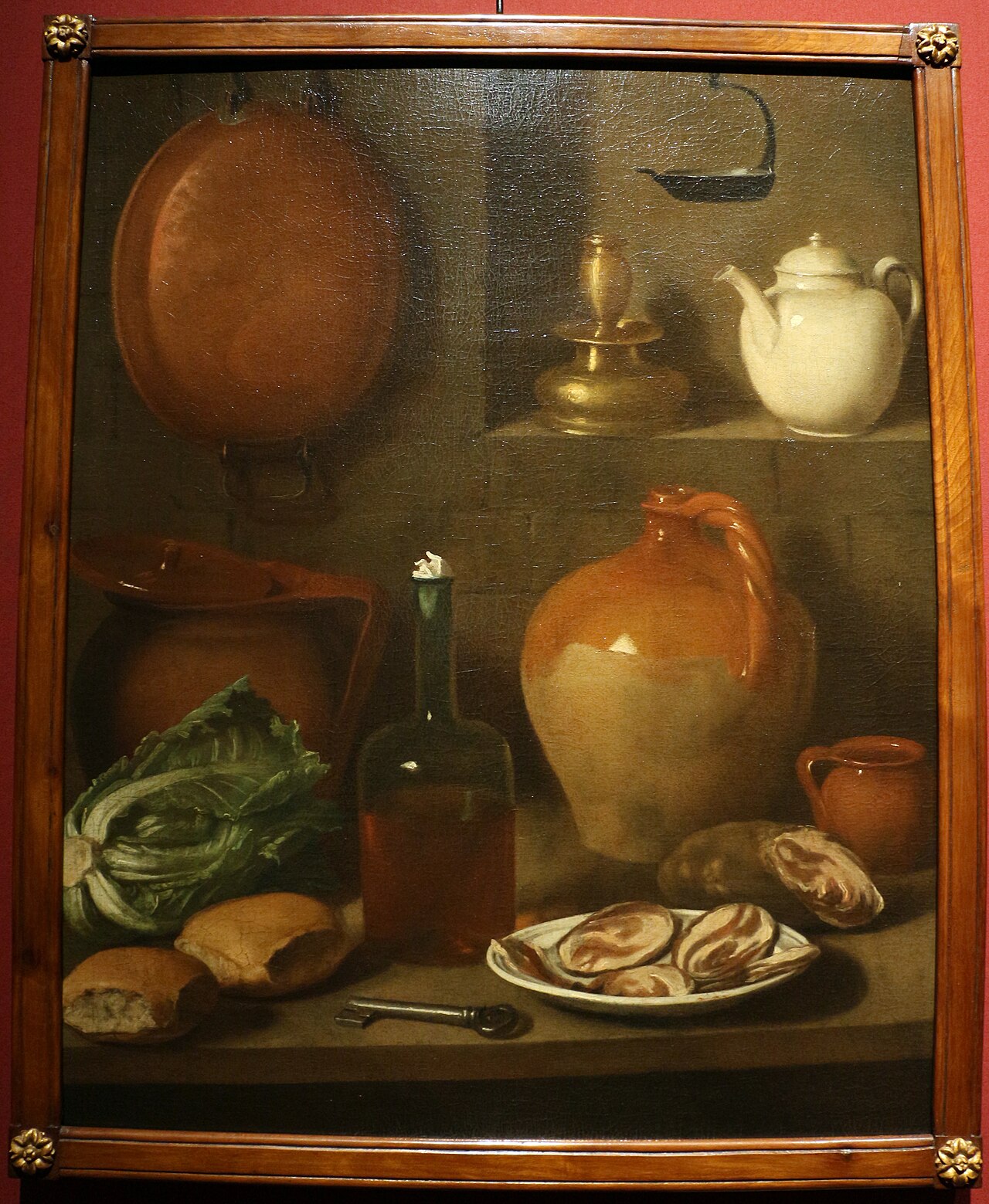
And the next morning? Many swore they heard the clatter of dishes and cutlery in the night. Some said the food was gone.
Why water and bread
Of the things left on the table, the ones that were almost never missing are the humblest, and that's no accident. The idea that the dead are thirsty is ancient: it was called refrigerio, the refreshment of the departed, and to bring them relief people left vases and glasses of fresh water beside them. Bread, offered at graves, was both nourishment and a wish: for the dead to be reborn into a new life.
The table at home was, in the end, the refrigerio carried from the cemetery into the kitchen.
Cicci and the pot for the poor
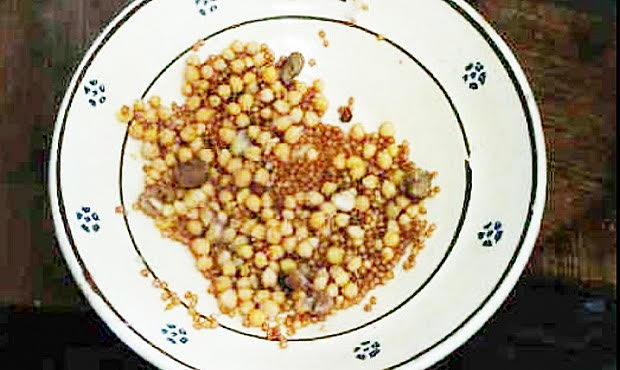
The name you hear most when talking about food and the dead in Campania is "cicci muorti." Cicci were wheat grains boiled in soup, then tossed in honey or sugar: a humble sweet from inland Campania. In the Aurunca and Massico areas, kids would go house to house shouting "'I cicci muorti!" and were given cicci along with chestnuts, walnuts, and dried figs. So there was dried fruit, but it mostly ended up in children's hands.
Legumes belong to another tradition, further south. In Cilento and Basilicata, Luciano Pignataro's blog says, on the night of the dead, people made legume soups, especially with chickpeas. The pot stayed on the table all night, and the next day, whatever was left went to the poorest. First for the dead, then for the living who were hungriest.
The candle on the windowsill
And then there's the light. A candle burning on the windowsill, writes Napoliving, shows the way home to the souls of loved ones, and even today you might spot one walking through the city. In the Caserta countryside, carved pumpkins—pantàsemi—did the same job, left in dark spots to guide the dead.
It's the same gesture, just with different tools: if you're coming home at night, you shouldn't get lost.
What's left of it
Not much of those tables is left today: a few candles, a few families setting an extra place. And there's a superstition many know without knowing where it comes from: at night, you don't leave the table set. According to Vesuvio Live, this is exactly where it comes from. The meaning is easy to guess: a table ready at night is an invitation, and some invitations are only sent once a year.
What remains is the image of that dark kitchen, bread on the table and a candle in the window. You didn't have to believe someone would really come sit down. Just setting the table was enough to say there was still room at home.
How the Smorfia reads it
'A tavula 'mbanditaThe laden table
The table that stayed set that night: bread, wine, water, and an extra place. Usually it means the family gathered round in celebration; that night it was set for those who were gone.
'O muorto che pparlaThe dead man who talks
The dead coming home for one night and, many swore, making themselves heard: the clatter of cutlery and dishes when everyone was asleep.
'O ppaneBread
Bread was almost always there: food for someone arriving from a long journey and, on ancient graves, a wish for a new life.
'O vino bbuonoGood wine
The glass of wine left on the kitchen table: what you offer a special guest, even when you can't see them.
'A zuppa cottaThe soup
The wheat soup of cicci, tossed in honey, and the chickpea soup from Cilento, left on the table all night and then given to the poor: first for the dead, then for the living.
Where it comes from
Sources and further reading6 sources · 6 news outlets
More true stories
- Before Halloween, there was the cascettella: when kids in Naples would ask for a coin "pe' li muorte"
- The October Ghost: The Night of Maria d'Avalos' Murder at San Domenico Maggiore
- 'O Gran Cabalista and the assistito: when every dream in Naples became a number
- Why in Naples a hunchbacked man brings luck (and a hunchbacked woman doesn’t): the story of the Scartellato
Rimmofatt! is symbolic entertainment. It doesn't predict winnings, doesn't increase your chances of winning and doesn't take bets. It is not a gambling service.