Before the Halloween pumpkin: the glowing pumpkin heads that lit the way for the dead in Campania
A hollowed-out pumpkin, a candle inside, and the night outside. In Irpinia and around Caserta, they lit the way for the souls; in Somma Vesuviana, they still show up—but in summer. And the turnips: where do they come from?
The Rimmofatt! editors · October 30, 2026
It's nighttime, late October, in a village in Irpinia. The houses are shut tight, but something glows on the windowsills: hollowed-out pumpkins with candles inside, and a bowl of water nearby. No one's expecting guests made of flesh and bone. That light is for those coming from much farther away.
We pieced this scene together from different sources. But glowing pumpkins for the dead in Campania? They were around long before Halloween showed up.
A pumpkin, a candle, a bowl of water
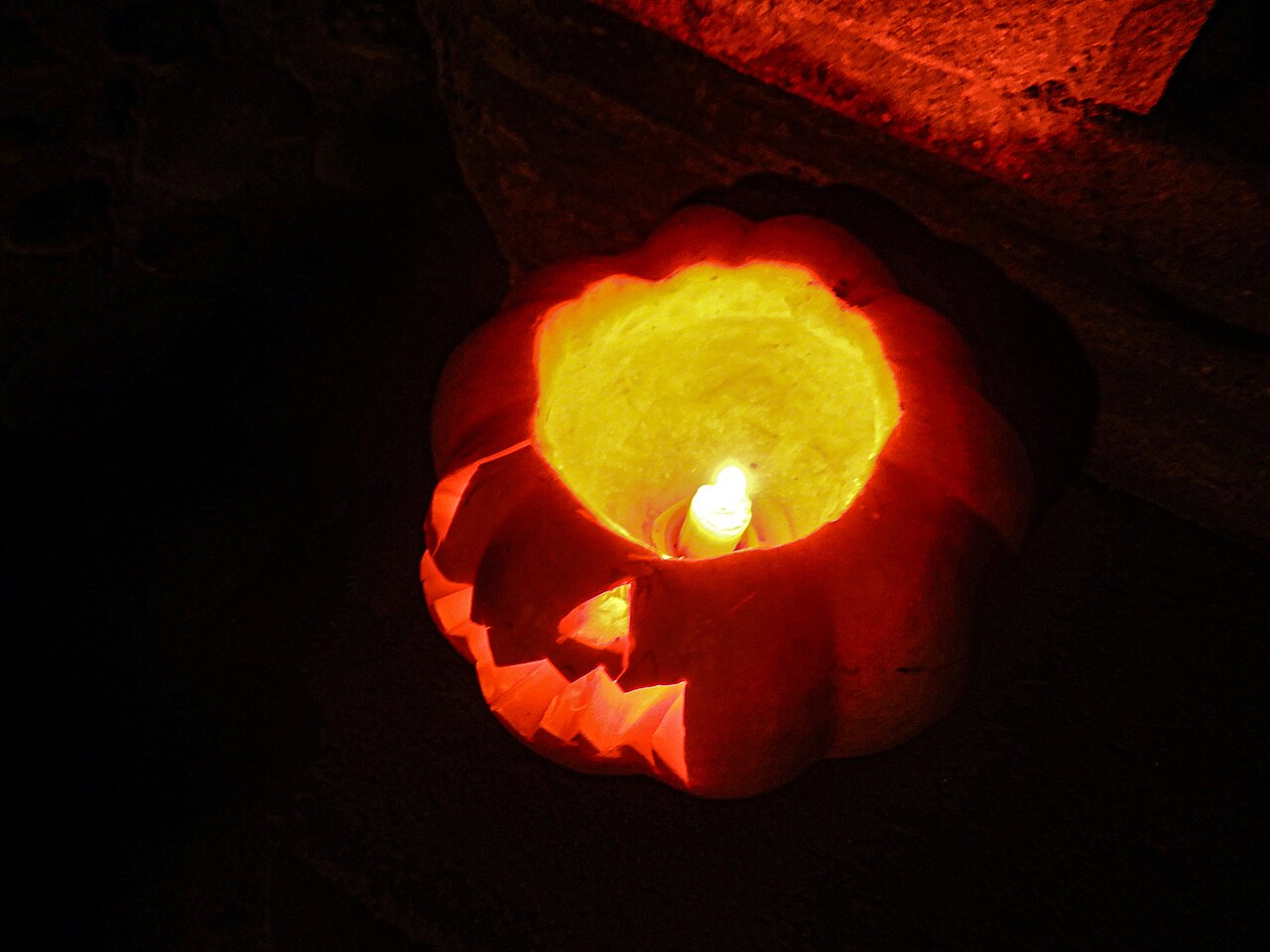
In Irpinia, on the night between November 1st and 2nd, people would set a few pumpkins on the windowsill with lit candles inside, made from the wax (the sources call it cerume) of every member of the family, collected over the year. Next to them, a bowl of water. That's the account of scholar Aniello Russo, as reported by Ottopagine and Fame di Sud. At midnight, it was said, the souls of the family's dead would pass through that bowl, then go to the village church to hear Mass said by a dead priest: they had to make up for every Mass they had skipped in life.
In Ariano Irpino, as the town's civic museum recalls, on the night of October 31st pumpkins carved in the shape of a skull, with a lit candle inside, were set outside the houses. The custom is remembered in the Salerno area too, and the meaning was the same everywhere: little lights and candles inside hollow pumpkins, outside the houses, to light the way for the souls. And in that light, gathered day by day, there was something of everyone in the house.
The pantàsemi of the Caserta area
In the Caserta area, in Partignano di Pignataro Maggiore, testimonies collected by Massimiliano Palmesano talk about carved pumpkins called pantàsemi. They weren't on windows, but in dark, isolated spots where the night was thickest: that's where they were meant to guide the souls of the dead.
Somma Vesuviana, but in summer
The most famous tradition, from Somma Vesuviana, has a twist: it doesn't happen on the days of the dead. The hollowed-out, glowing pumpkins show up during the Festa delle Lucerne, held in the old Casamale district every four years, at the start of August, around the feast of the Madonna della Neve.
For three nights, the alleys light up with thousands of oil lamps set on wooden frames, among bundles of chestnut branches and ferns. At the corners, behind doors, and among garden trees, you'll find pumpkins—some glowing from within. According to Ciro Raia, who wrote about it for the festival's website, they symbolize a skull, meaning death; anthropologist Marino Niola sees them as the form the dead take to appear. Roberto De Simone linked the festival to the "death of summer," the end of a farming cycle.
So the idea is the same, just not the season: in Somma, the dead return as glowing pumpkin heads in the dark, but right in the middle of summer.
And the turnips?
Turnips don't show up in Campanian sources. They're the oldest lanterns of Ireland: there, as Storie di Napoli tells it, people carved turnips, not pumpkins, and it was only when Irish immigrants arrived in America that pumpkins took over.
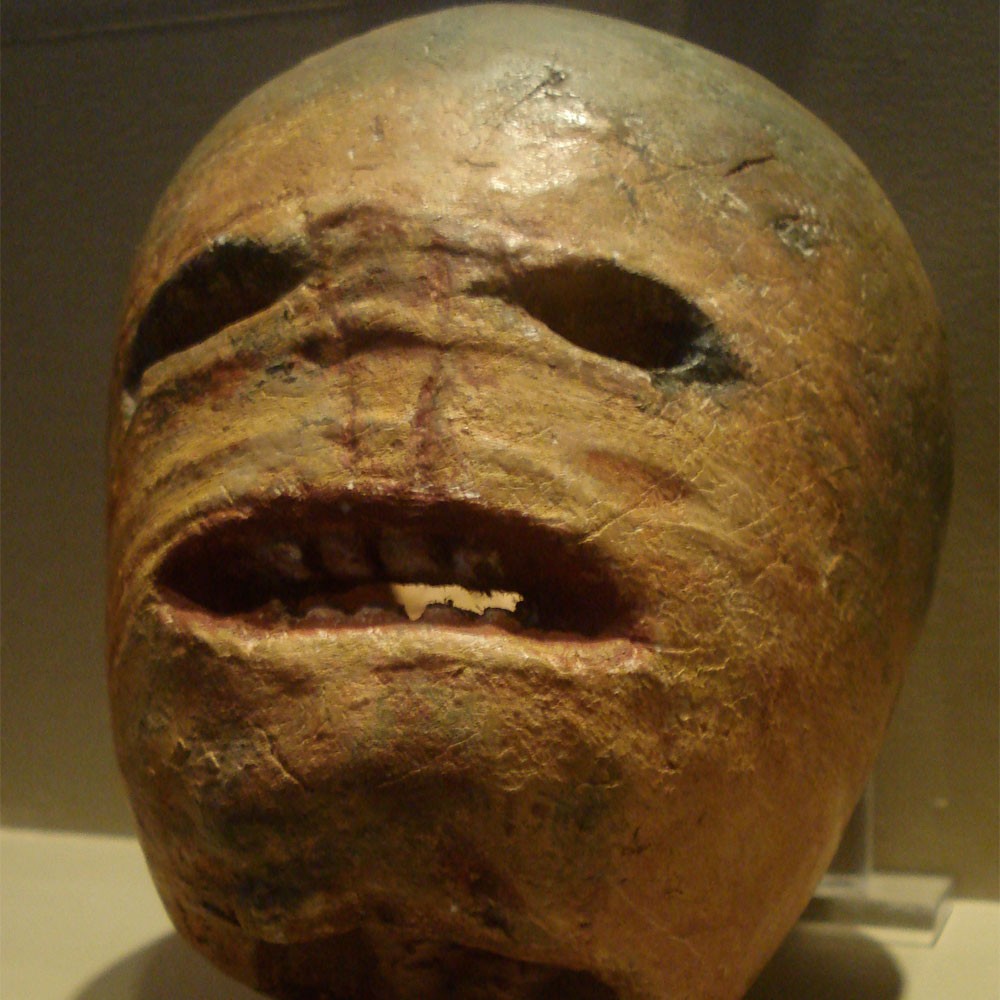
But southern Italy had its own traditions. In Calabria, as L'Italo Americano recalls, kids would go door to door with carved turnips or pumpkins and a candle inside—the coccalu di muortu, the skull of the dead—asking, "Mi lu dai lu coccalu?" ("Will you give me the skull?") In Orsara di Puglia, on the night between November 1st and 2nd, the streets still fill with carved pumpkins holding candles to guide the souls: the festival is called Fucacoste e Cocce Priatorje.
We didn't copy it
Halloween came to Italy long after these traditions. In rural Italy, carving pumpkins with eyes, nose, and mouth and lighting them up was just something people did—no need to copy anyone.
The difference is in the why. The Halloween pumpkin is meant to scare; ours was meant to light the way. Marino Niola, quoted by Fame di Sud, takes issue with the store-bought pumpkin, hollowed out and filled with the same standard pulp. The old ones held something of every person in the house, and a path to show.
How the Smorfia reads it
'A capaThe head
The hollowed-out pumpkin with a candle inside is a head lighting up: in Somma, scholars say it's a skull, the shape the dead take to show themselves.
L'aneme d'o priatorioThe souls in purgatory
That light was for them: the souls who come home on the nights of the dead, and who, in the dark, might lose their way.
'A meravigliaAmazement
The alleys of Casamale lit by thousands of oil lamps, and pumpkin heads glowing in the dark: the wonder of a night like no other.
'O ciardinoThe garden
In Somma, the glowing pumpkins sit among the garden trees, next to the oil lamps: the light of the dead right in the middle of what’s still growing.
'A pauraFear
Today, the carved pumpkin is supposed to scare you; the ones from our villages weren’t. They were put outside to make the night a little less scary.
Where it comes from
Sources and further reading8 sources · 8 news outlets
More true stories
Rimmofatt! is symbolic entertainment. It doesn't predict winnings, doesn't increase your chances of winning and doesn't take bets. It is not a gambling service.