The Leonids and the Night in 1833 When Stars Rained Down
On the night between November 12 and 13, 1833, tens of thousands of shooting stars fell every hour over North America, making many fear the end of the world. But a professor saw the birth of a new science. The meteor shower returns every November—this year, the peak is between the 17th and 18th.
The Rimmofatt! editors · November 15, 2026
On the night between November 12 and 13, 1833, across all of North America east of the Rockies, people woke up to find the sky falling. Not just the odd shooting star you might catch on a summer night—thousands, one after another, from every direction. In Boston, one witness wrote that they fell about half as thick as the flakes in an ordinary snowfall. Many thought the end of the world had come.
It was the Leonids, the meteor shower that returns every November. But that night, it wasn’t a shower—it was a storm. And this year, the Leonids are coming back again.
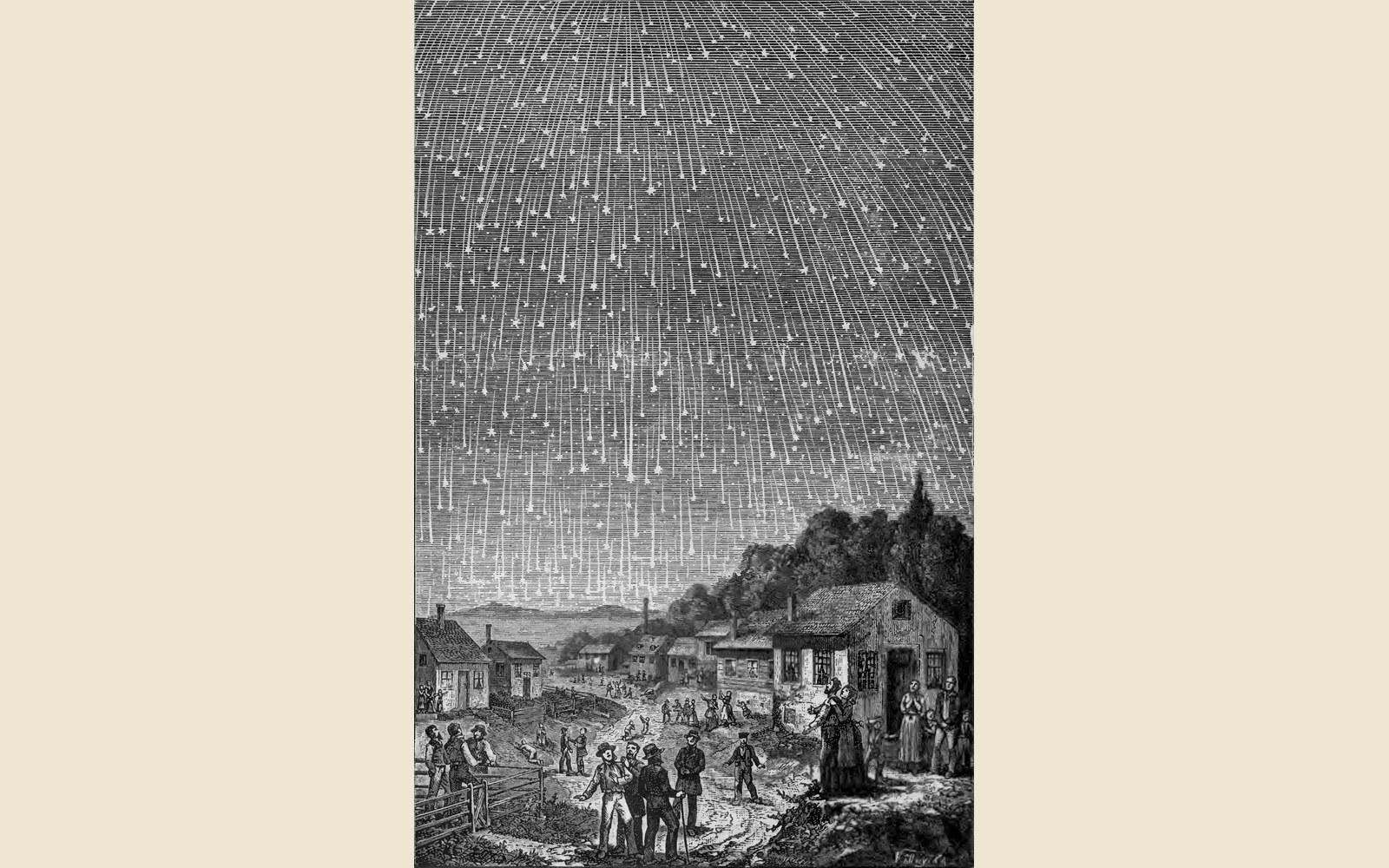
“Arise, the day of judgment has come”
No one knows exactly how many meteors fell that night—no one was ready to count. The Library of Congress puts it at between 50,000 and 150,000 meteors an hour; another estimate counts more than 240,000 over the nine hours of the storm. Even the most cautious guesses talk about tens of thousands per hour at the peak.
Frederick Douglass, then a teenager still enslaved in Maryland, remembered it like this: “I witnessed this gorgeous spectacle, and was awe-struck. The air seemed filled with bright, descending messengers from the sky.” He had read that the “stars shall fall from heaven,” and now they were falling. Amanda Young, a little girl in Tennessee, later said everyone was scared—some screamed, some prayed.
There’s even a story about Abraham Lincoln, told by the poet Walt Whitman. When Lincoln was young, living in Illinois, he was boarding with a deacon who woke him up one night shouting, “Arise, Abraham! the day of judgment has come!” Lincoln looked outside: stars were falling in great showers, but behind them, the grand old constellations were “fixed and true in their places.” Many years later, in the darkest days of the Civil War, Lincoln told that story to say the world hadn’t ended then, and the Union wouldn’t end now. Whitman doesn’t mention the year, but historians tie the story to that very night.
Even the Lakota winter counts—pictorial calendars that mark each year with a drawing—recorded that year as the one when the stars fell. Over a century ago, a Smithsonian scholar used that to match Lakota years to our own.
The professor who asked for help
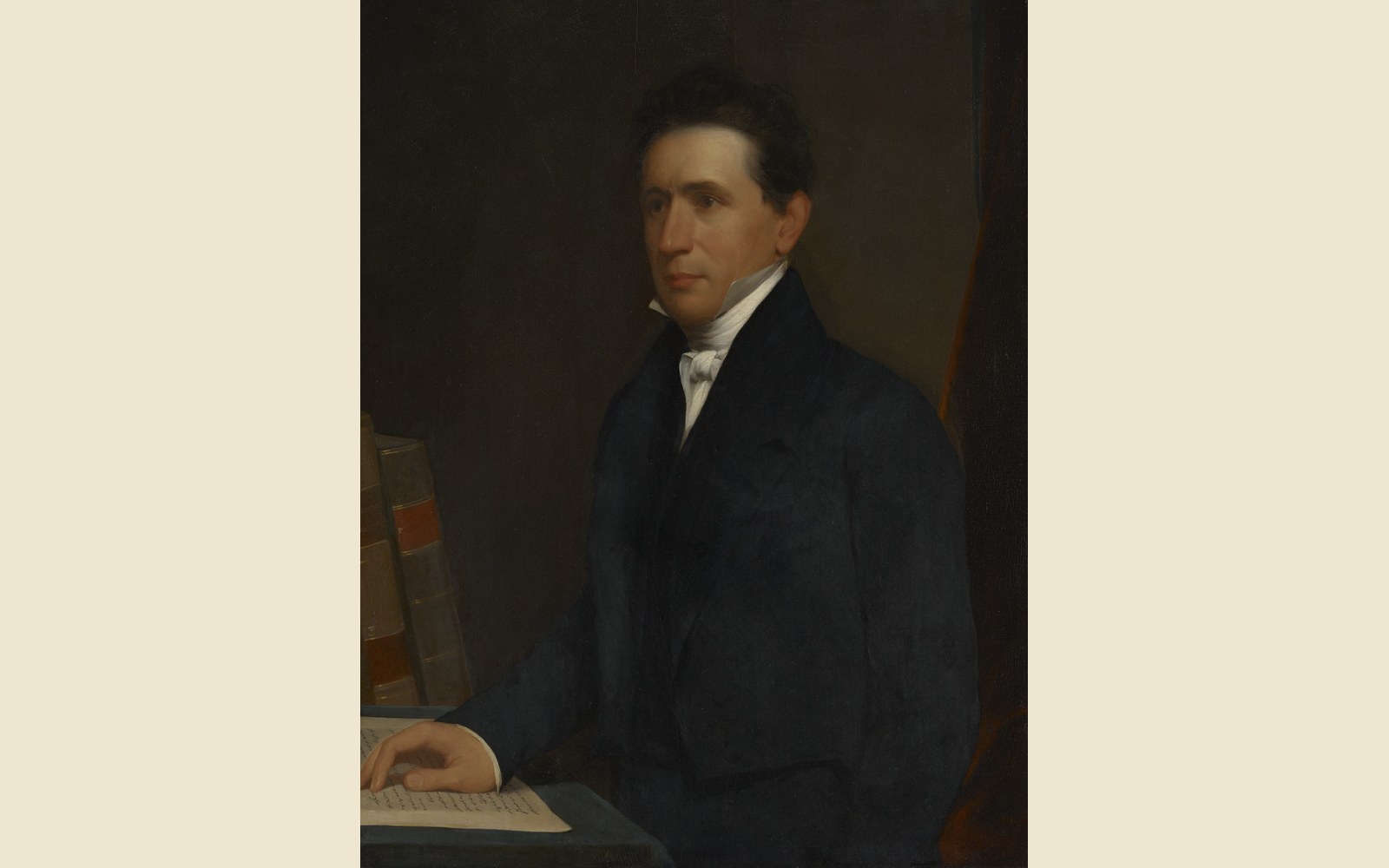
At dawn in New Haven, Yale professor Denison Olmsted did something simple: he wrote to the local newspaper, asking anyone who’d seen the spectacle to tell him what they’d noticed, at what time, and from which part of the sky the meteors seemed to come. Other papers picked up his call, and soon replies poured in from all over the country.
Piecing together those stories, Olmsted realized the trails all seemed to come from the same spot in the sky, in the constellation Leo. It wasn’t an atmospheric phenomenon, as people thought—the meteors were coming from space, from a cloud of particles the Earth was passing through. He published his findings in 1834. That’s why the shower is called the Leonids today.
Humboldt had seen it before
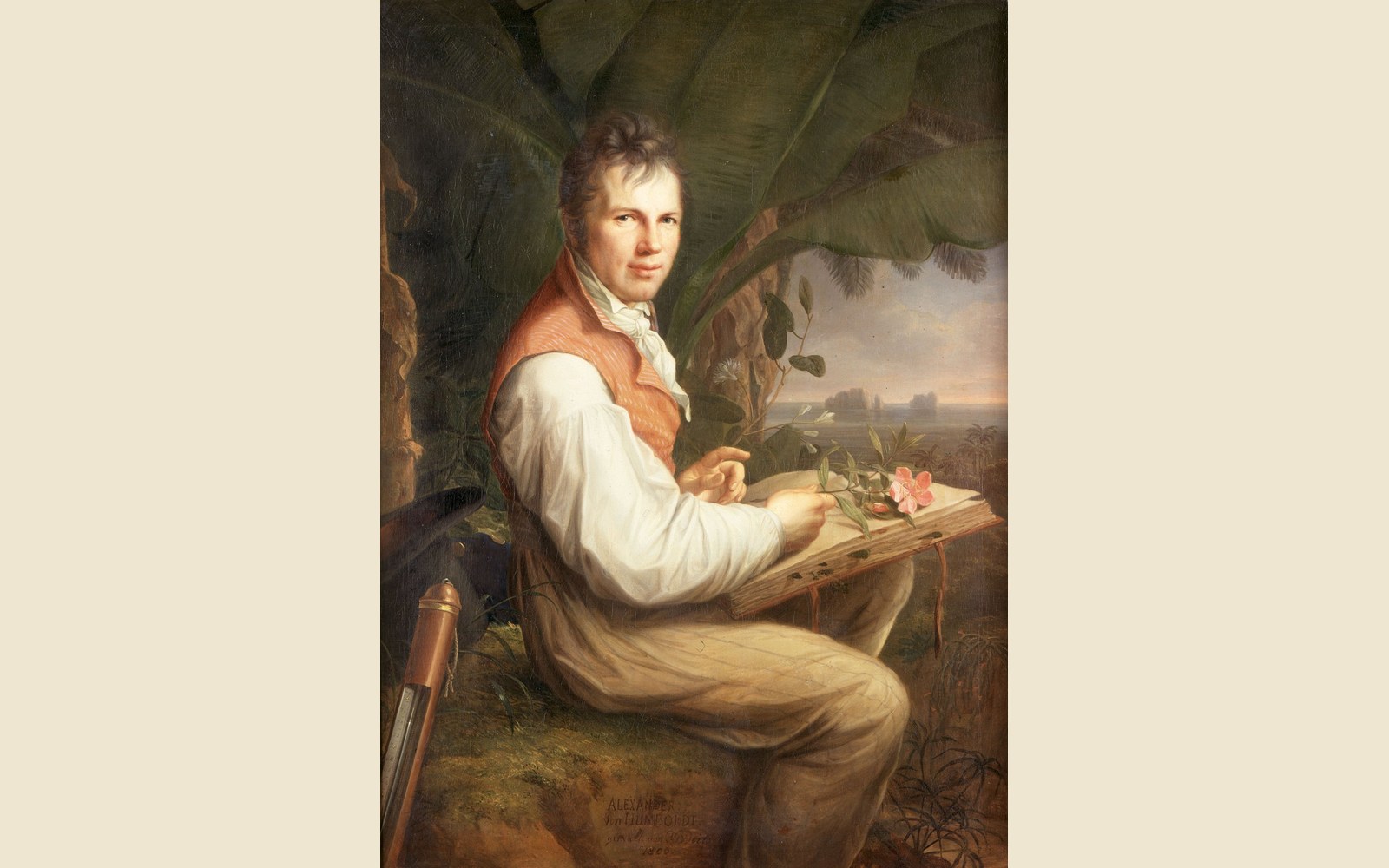
Thirty-four years earlier, Alexander von Humboldt had seen the same sky. On the night between November 11 and 12, 1799, he was in Cumaná, Venezuela, with botanist Aimé Bonpland. Around 2:30 a.m., Bonpland noticed it first: for four hours, thousands of fireballs and meteors streaked across the sky, and he said there wasn’t a patch of sky, not even three times the size of the Moon, that wasn’t full of them at any moment. Nearly the whole city saw it, since people were already out for early Mass. The elders remembered that similar events had come before the great earthquakes of 1766.
The returning comet
Back then, no one knew the two nights were connected. The answer came with a comet discovered between December 1865 and January 1866 by two astronomers, Wilhelm Tempel and Horace Tuttle, now known as 55P/Tempel-Tuttle. Soon after, astronomers—including Italy’s Giovanni Schiaparelli—realized its orbit matched the Leonids almost exactly.
The November meteors are grains left behind by the comet as it travels. Most are between a millimeter and a centimeter across, hitting the atmosphere at about seventy kilometers per second—no other annual shower is so fast. The comet orbits the Sun every thirty-three years or so, and each time it passes, it leaves a denser trail of dust. If Earth plows through that trail, the shower becomes a storm. That’s why the great Leonid nights come about a generation apart.
Forty per second
The last big Leonid storm was in 1966. On the night of November 17, at the Kitt Peak Observatory in Arizona, a group of observers started out counting about thirty meteors an hour. A few hours later, it was thirty a minute, and at the peak, for about twenty minutes, forty per second.
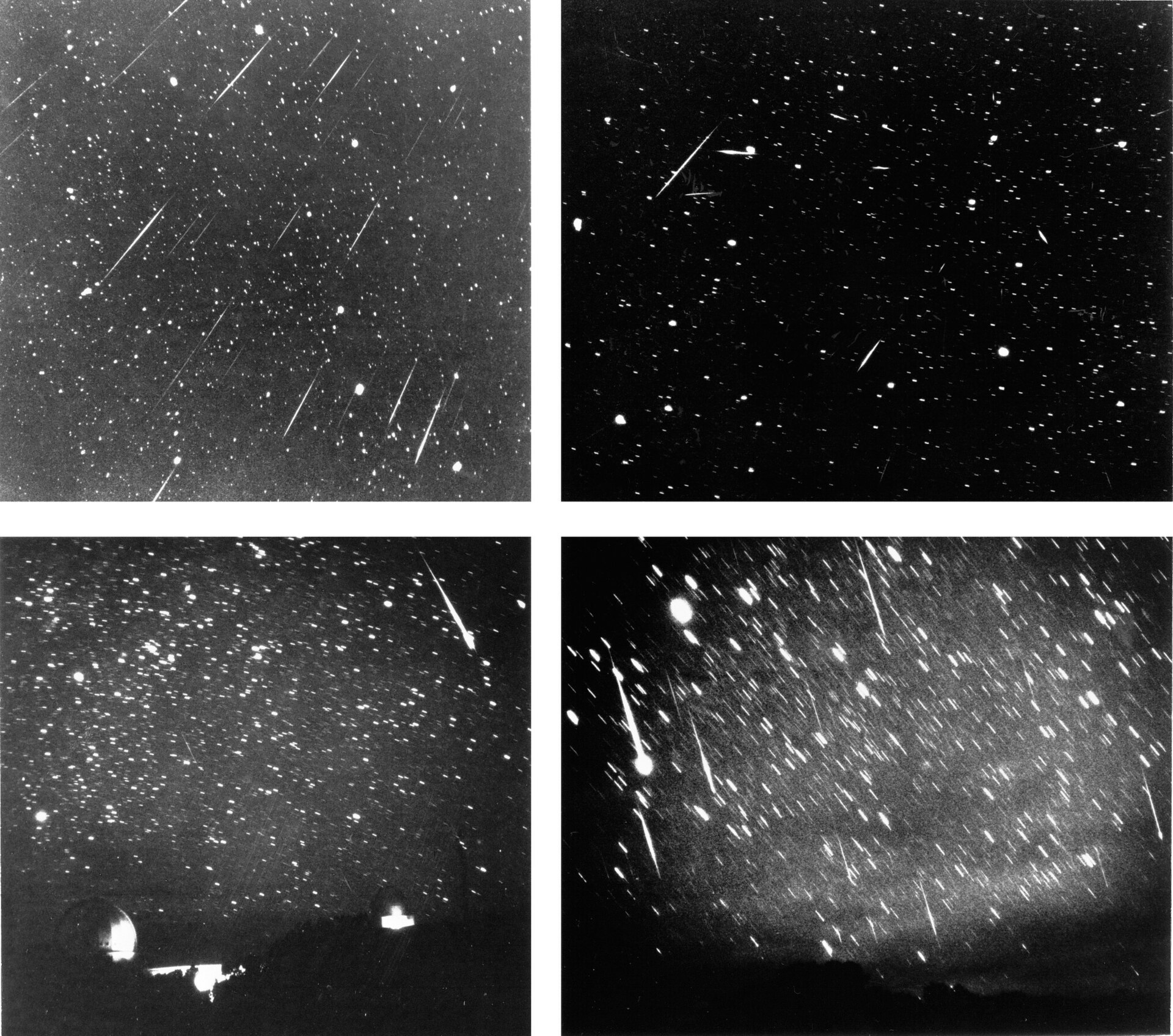
Between 1999 and 2002, there were more intense nights, with thousands of meteors per hour seen from Europe, Asia, or America. According to NASA, 2002 was the last true storm.
When to watch this year
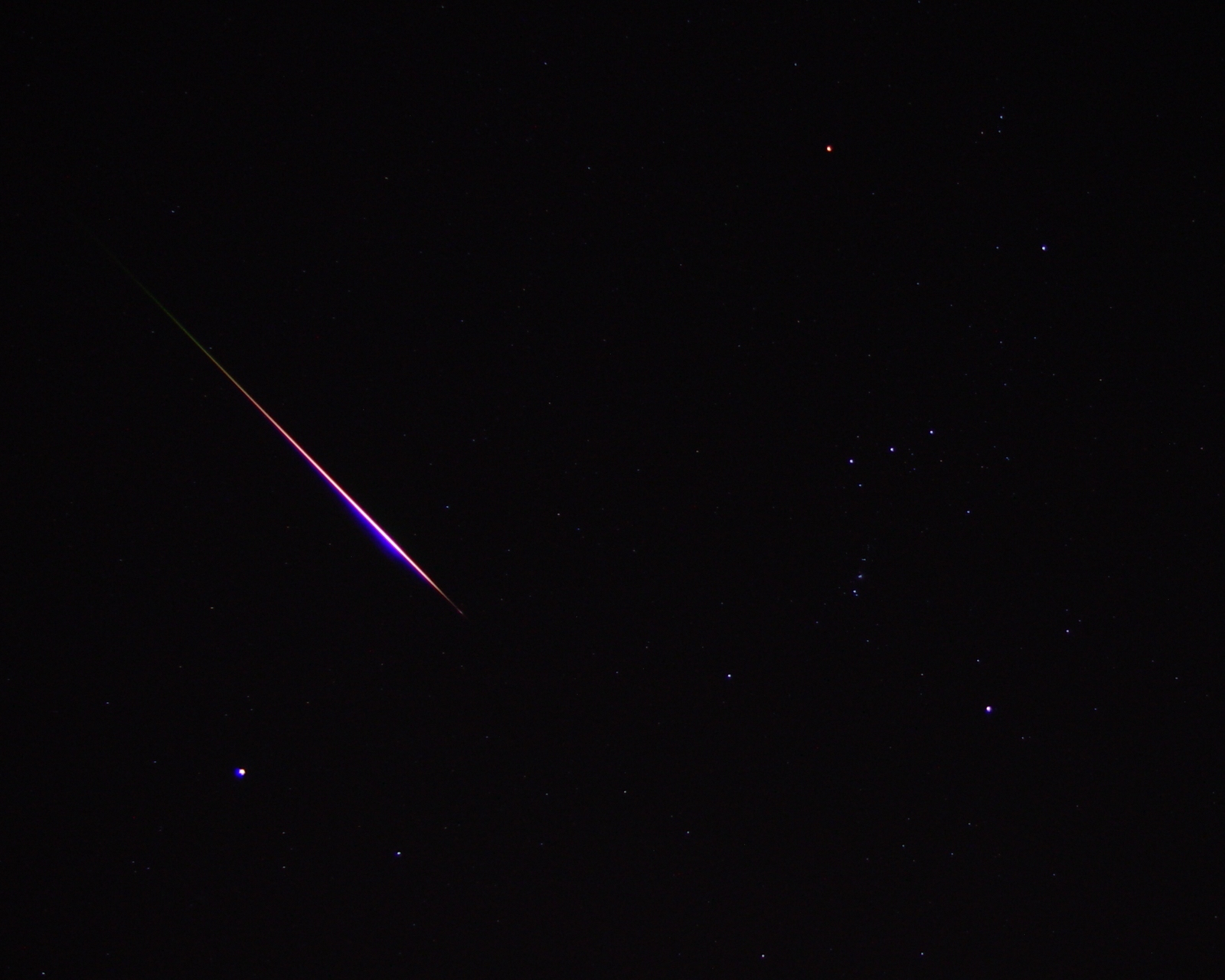
This year, the Leonids are active from November 6 to 30, with the peak expected the night of the 17th to the 18th. It won’t be a storm: under a dark sky, far from city lights, you might see ten, maybe fifteen an hour. The Moon will be in its first quarter and will set around midnight, just as Leo starts to rise in the east. So the best hours are from midnight to dawn. No telescope needed—just let your eyes adjust to the dark and look at as much sky as you can.
For another storm, you’ll have to wait. The comet will swing by the Sun again in 2031, but according to the American Meteor Society, Earth isn’t expected to hit any dense dust trails before 2099.
Lincoln had it right that night: the real stars stay put. The ones that fall are just comet dust. Still, on the night of the 17th to the 18th, a wish can be made all the same.
How the Smorfia reads it
L'anne 'e CristoThe age of Christ
The comet that sheds these grains comes back near the Sun about as many years apart as Christ lived. That's why the great star showers arrive roughly a generation apart.
'O maletiempoBad weather
When shooting stars come by the thousands, astronomers call it exactly that: a storm. In the Smorfia, bad weather is the sky turning upside down, and that night it really did, only with light.
'A pauraFear
Anyone who saw it thought the world was ending: some prayed, some screamed. But in the Smorfia, fear is also something that passes—by morning, all the real stars were right where they belonged.
Where it comes from
Sources and further reading15 sources · 12 news outlets
Walt Whitman, "Specimen Days & Collect" (1883) — Internet Archivearchive.org · 2 sources
More true stories
Rimmofatt! is symbolic entertainment. It doesn't predict winnings, doesn't increase your chances of winning and doesn't take bets. It is not a gambling service.